Discover how Surfee simplifies 3D collaboration for non-designers, overcoming software complexity with a web-based, intuitive feedback system.

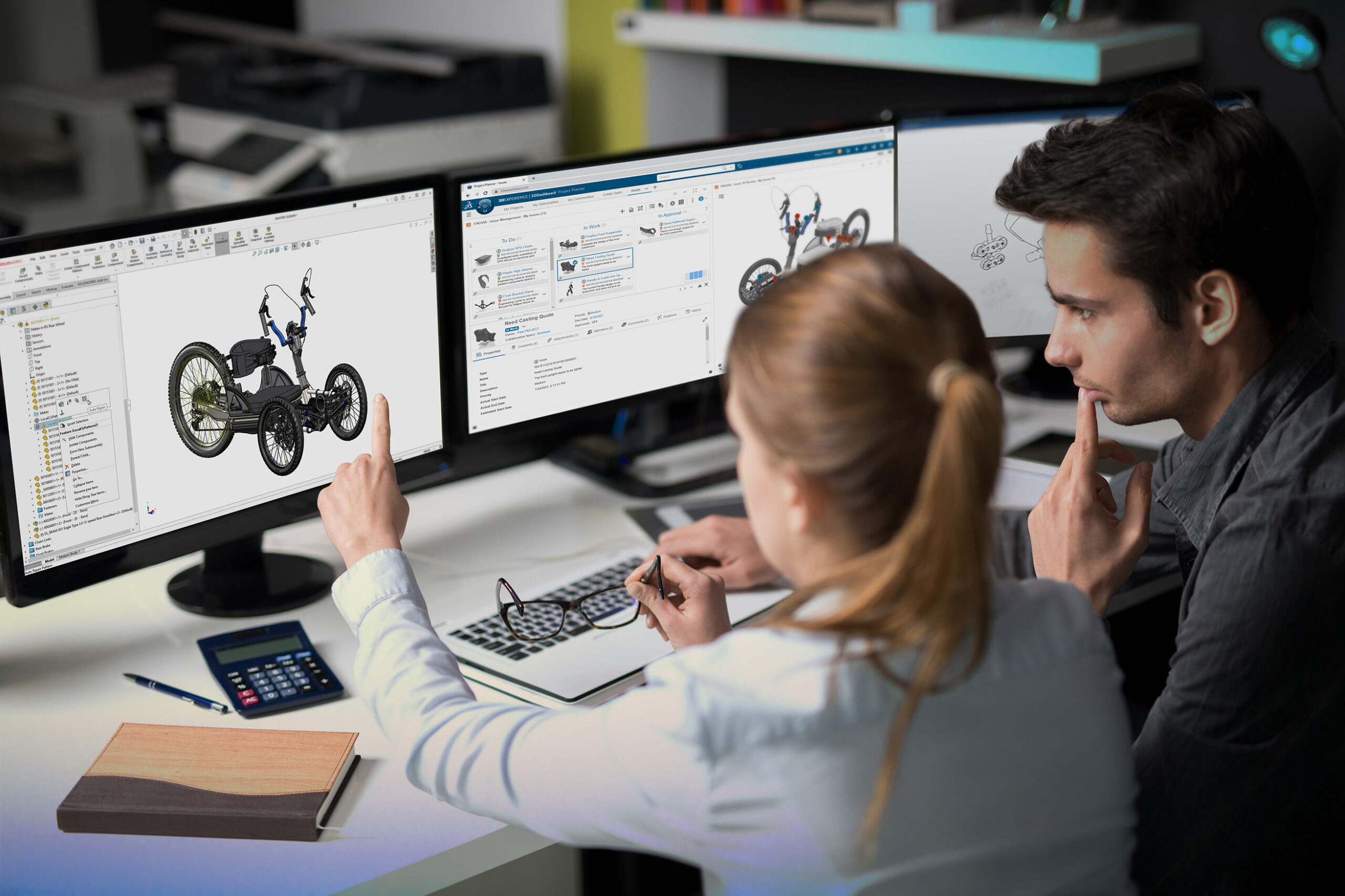
Image: Solidworks
Is 3D Software Only for Designers?
In the industrial design industry, 3D modeling is a critical process. However, the complexity of 3D software often creates a significant barrier to communication between designers and non-designers. Product managers or marketers, who aren’t directly involved in 3D design, frequently find it daunting to review or provide feedback on 3D models. Just as Figma bridges the communication gap between designers and developers in web development, the 3D industry needs an environment that simplifies collaboration without requiring mastery of complex tools.
In many cases, non-designers struggle to grasp the details of 3D models, leading to reliance on designers. To address this, tools like Surfee, a 3D viewer solution, are emerging to lower these communication barriers and open new possibilities for collaboration.
The Steep Learning Curve of 3D Software
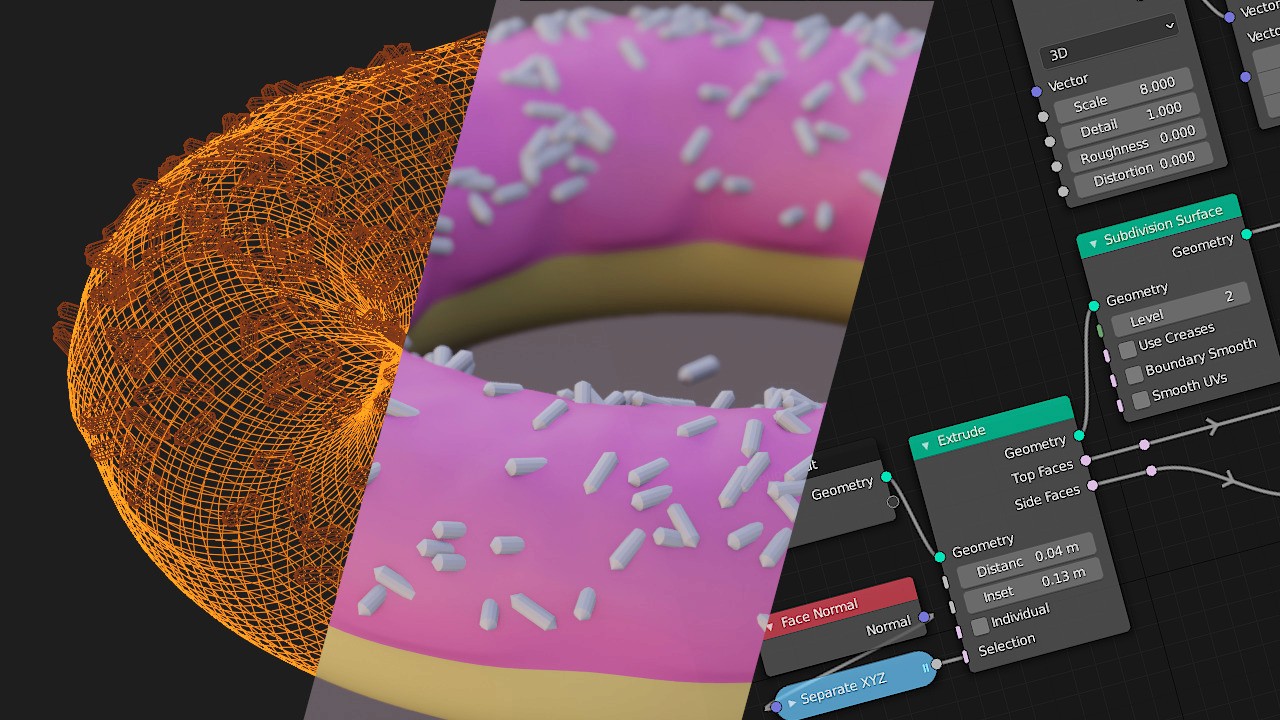
Image: Blender
The intricate features of 3D software pose a significant learning burden for non-designers. Industry-standard tools like Blender or SolidWorks are packed with extensive functionalities, requiring users to master not just basic modeling tools but also concepts like sketching, solid modeling, surfacing, mode switching, and viewport navigation, even for a simple product mockup. In such cases, non-designers often abandon learning efforts early on.
While some tools, like Tinkercad, significantly reduce the learning curve, they come with limitations in professional settings. These simplified tools lack the precision and editing capabilities required for detailed design adjustments in product development, making meaningful contributions challenging. Additionally, the distinct approaches of CAD-based design and shape-based modeling demand separate learning paths, while tasks like texturing and rendering further steepen the learning curve. For non-designers, mastering all these processes is often impractical.
Barriers to 3D Collaboration: Why Is Communication So Hard?
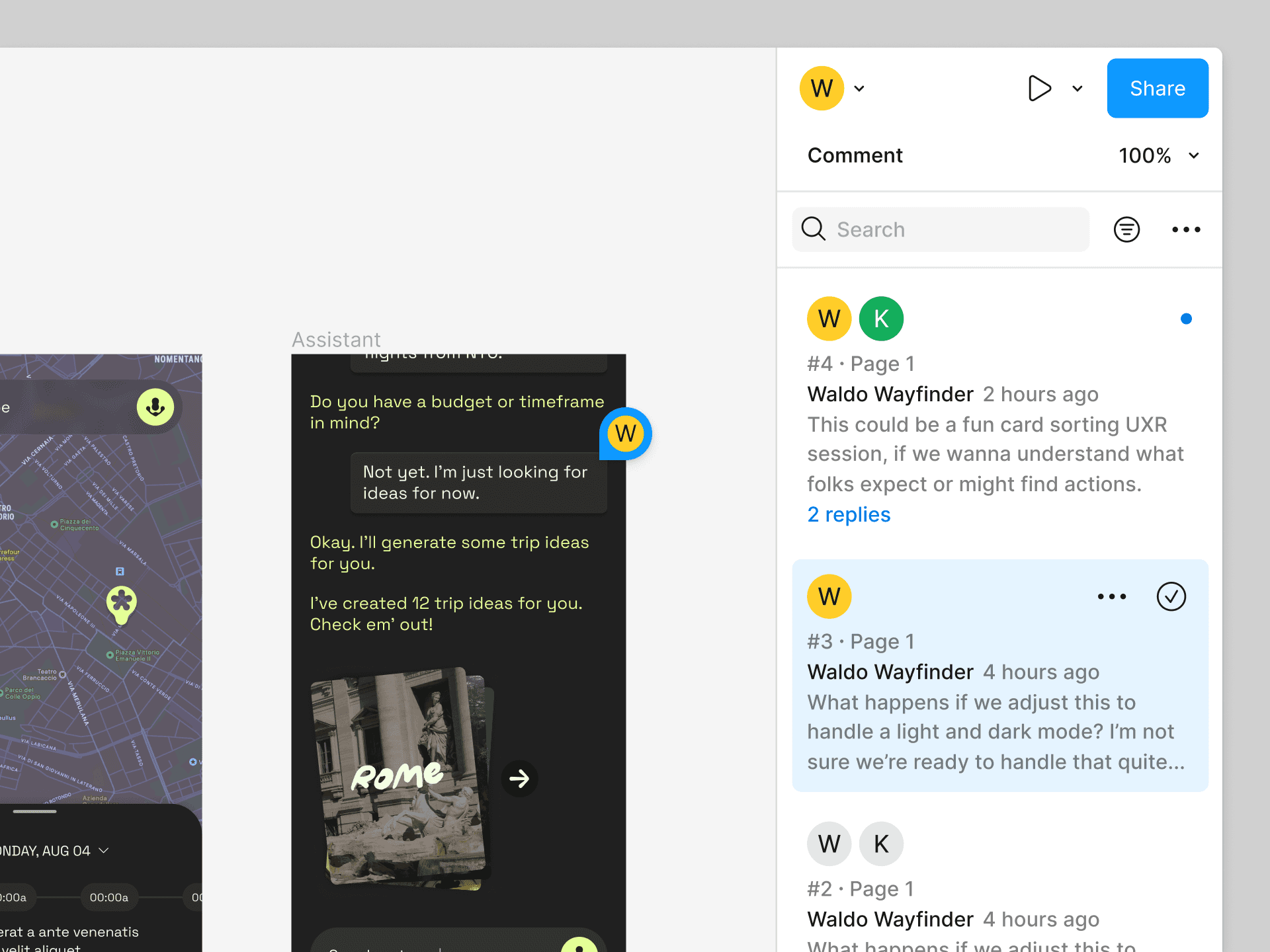
Image: Figma
In web development, tools like Figma allow project managers to view a designer’s mockup, leave real-time comments, or suggest specific adjustments, such as repositioning a button, all on a shared interface. This makes collaboration seamless. However, in the 3D industry, teams often rely on static image captures or individual file sharing. This approach complicates version control and makes it hard to consolidate feedback, leaving non-designers struggling to understand a designer’s intent or provide meaningful input.
Commonly, 3D designers create rendered images or files to share with non-designers, who then depend on these limited outputs rather than interacting with the model directly. This conventional workflow often leads to communication inefficiencies or misunderstandings due to unclear feedback. Without learning complex 3D tools, non-designers have limited options for model review, hindering smooth team collaboration. Clearly, there’s room for improvement in this process.
Bridging the Gap with Surfee

Image: Surfee
Recently, various services have emerged to improve 3D model sharing and collaboration, addressing these communication challenges. While each tool has its strengths, the industry is increasingly seeking solutions that go beyond simple model viewers to offer robust collaboration features. Beyond just viewing and sharing files, teams need tools to leave direct feedback, review designs together, and apply insights directly to their workflows.
Surfee, a 3D Product Collaboration Tool, is designed to meet these needs. It provides a web-based environment for sharing, reviewing, and even rendering 3D models, accessible to non-designers without requiring complex software. Its intuitive feedback system allows team members to add comments directly on models, elevating collaboration efficiency to the next level.
This web-based accessibility bypasses the steep learning curve of 3D software, offering a straightforward interface that enhances teamwork. By enabling non-designers to review and provide feedback on 3D models, Surfee significantly boosts overall team productivity.
Unlocking New Possibilities for 3D Collaboration
The steep learning curve of 3D software and traditional image-based sharing methods create significant barriers for non-designers in 3D collaboration. As a 3D Product Collaboration Tool, Surfee eliminates the need for non-designers to master complex software, enabling seamless collaboration. Non-designers can review 3D models, render designs, and provide real-time feedback via comments, all within a web-based platform. This approach fosters smoother communication with designers, reduces unnecessary work time, and minimizes misunderstandings, ultimately enhancing project efficiency. For teams aiming to streamline their workflows, Surfee is a solution worth exploring.