Learn how DFM enhances product design success by balancing visual appeal with manufacturability, avoiding costly revisions in real-world projects.

Product Design: Is Looking Good Enough? Boost Success with DFM
Every product designer has likely faced this moment: "Is it even possible to manufacture this 3D design?" A design with stunning curves and unique shapes may impress in the 3D modeling phase, but when handed to the manufacturing team, it’s often rejected due to cost or process challenges. This gap between visual appeal and manufacturability significantly affects production costs and project success. In this article, we explore the differences between visually focused design and DFM (Design for Manufacturing)-compliant design, and share practical ways to strike a balance in real-world projects.
Visually Focused Product Design
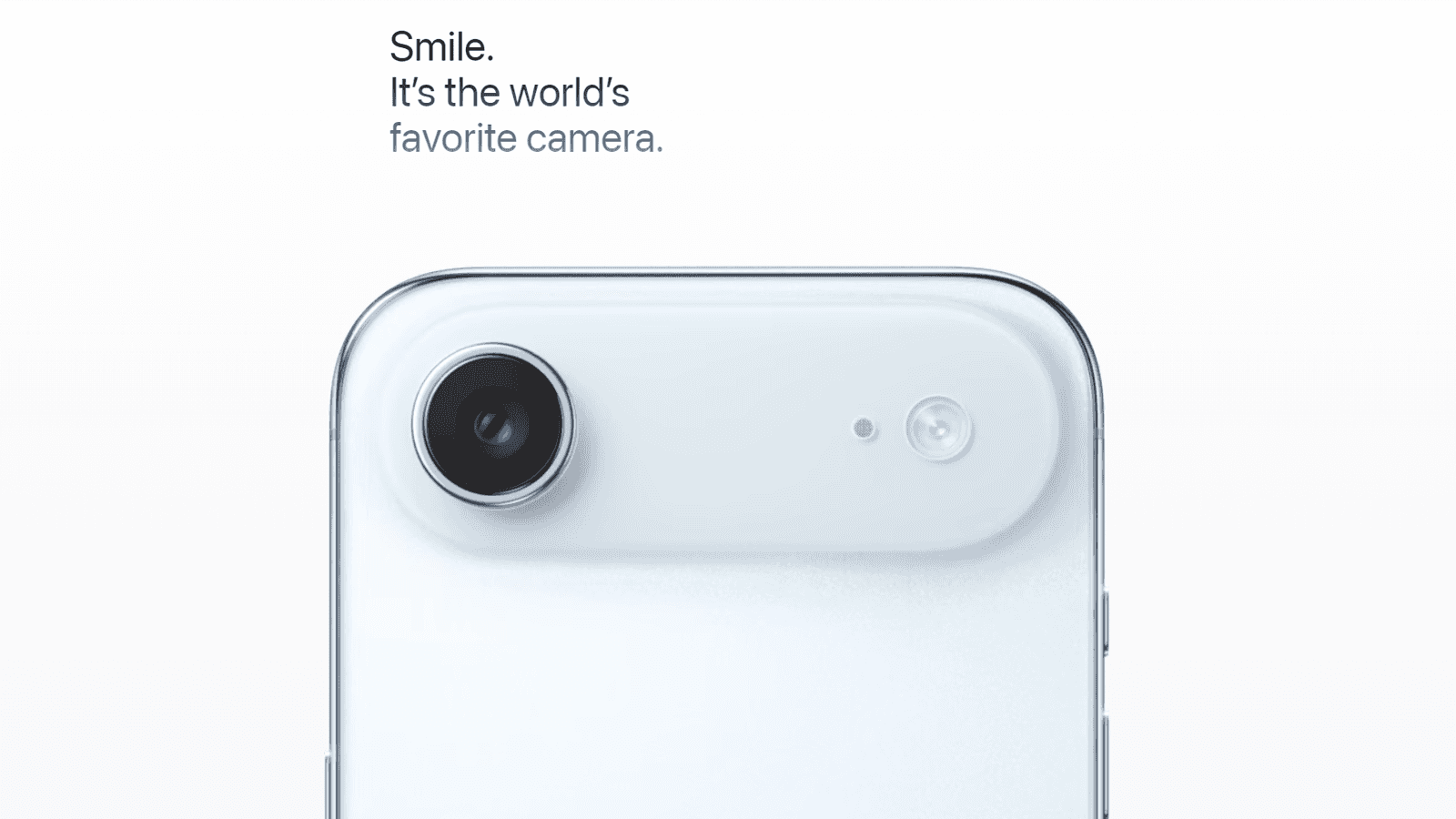
Image Credit: https://www.apple.com/iphone-air/
Visual design plays a critical role in capturing a customer’s first impression and conveying brand identity. Sleek curves or distinctive shapes often define a product’s character. However, overlooking manufacturability can lead to unexpected cost overruns and delays. Designers new to the field are often asked to revise their designs due to overly complex shapes.
In the industry, intricate designs may shine in 3D modeling but become impractical during mold production, incurring prohibitive costs or making production unfeasible. Such cases frequently result in prototype failures, requiring complete design revisions due to manufacturing constraints.
DFM (Design for Manufacturing)-Compliant Product Design
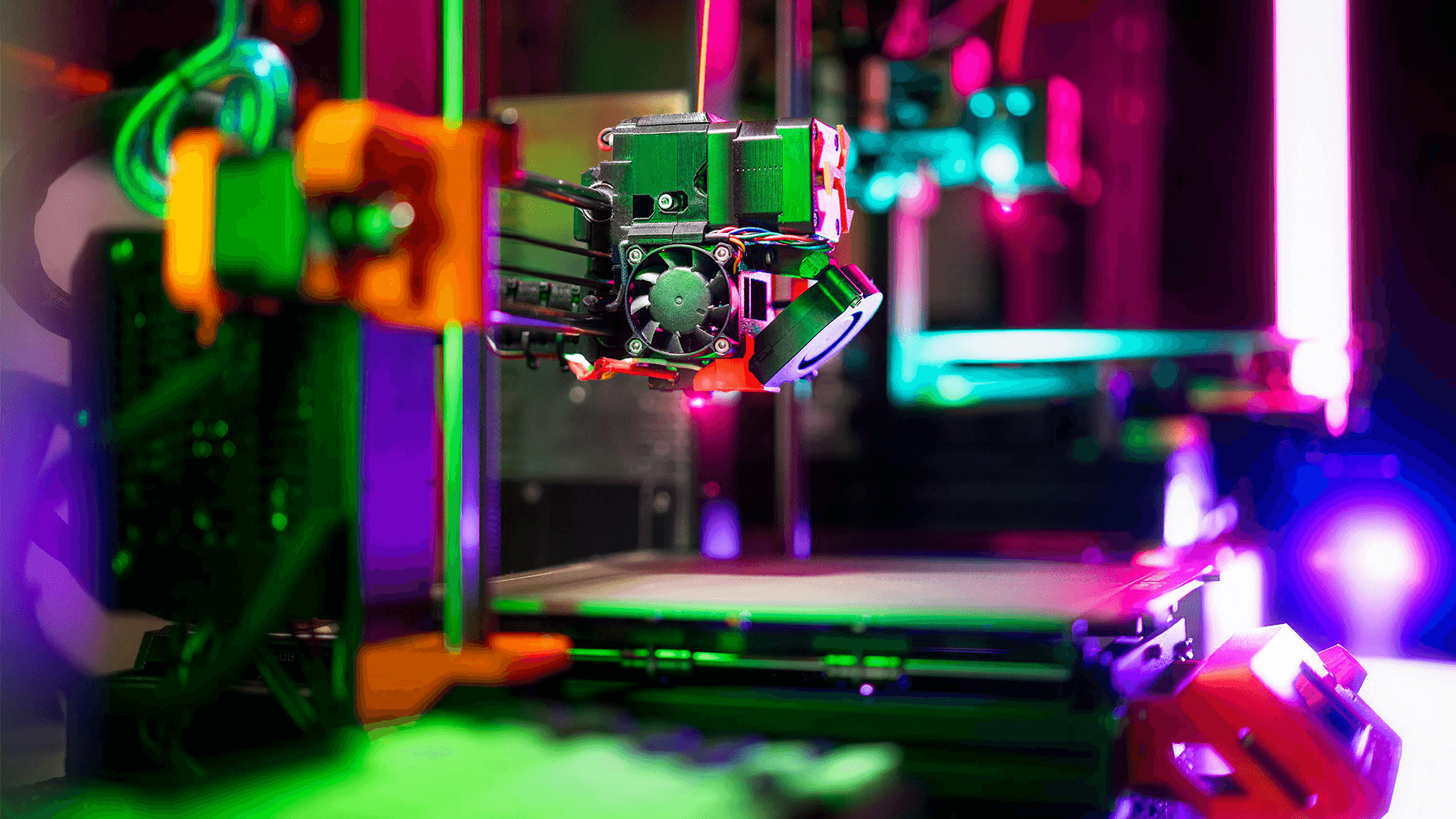
DFM focuses on optimizing designs for manufacturing processes like 3D printing, CNC machining, or mold production. The key lies in simplicity and efficiency.
Minimize the number of parts in the design.
Use standardized dimensions to improve process efficiency.
Simplify mold structures to reduce manufacturing costs.
While DFM-compliant designs may sacrifice some initial visual flair, they are a worthwhile pursuit to boost long-term project success. For instance, discussing standardized dimensions with the manufacturing team during initial design reviews can effectively prevent later issues. In some cases, simplified shapes have been observed to reduce mold costs by over 30%, a trend widely seen in the industry.
Conclusion
Visually focused design and DFM-compliant design may seem to conflict, but they are not mutually exclusive. Instead, you can effectively balance them based on the project’s purpose and goals. The industry increasingly favors designs that balance visual appeal with manufacturability from the outset.
Successful product designers should collaborate closely with the manufacturing team from the initial design phase. This teamwork is a worthwhile pursuit to minimize production errors and ultimately enhance the value of your design.