Learn when rendering is essential or optional in industrial design, balancing efficiency and visual appeal with practical insights, enhanced by tools like Surfee.


Rendering remains a topic of debate among industrial designers. Some argue that high-quality rendering is essential for enhancing visual appeal and clarifying ideas, while others prioritizing efficiency believe sketches or simple 3D models suffice. Perspectives on rendering vary significantly depending on the purpose and context of the task. The core of this debate lies in understanding when, why, and what level of rendering is necessary. As collaboration with team members, clients, and partners becomes increasingly critical in today’s fast-paced market, efficiency in the design process is a key competitive advantage. This article aims to clearly distinguish when rendering is essential and when it is optional from a practical perspective, helping designers make informed choices.
When Is Rendering Optional?
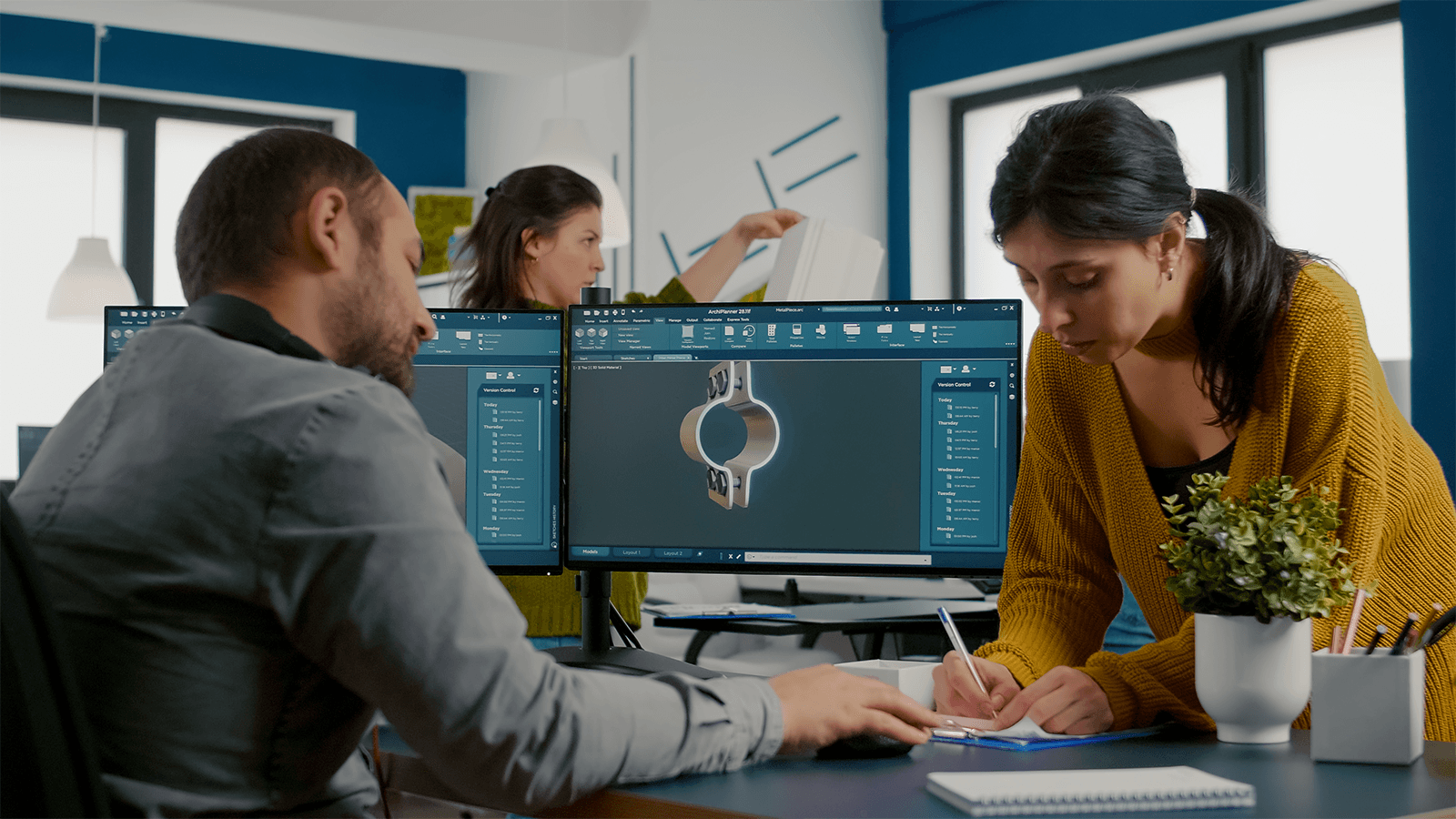
The focus here is on efficient idea validation and internal communication. Early design stages involve iterative exploration and refinement of numerous ideas. During this phase, prioritizing form and structure allows for streamlined workflows, making it more effective to use intuitive methods rather than investing time in detailed rendering.
Idea Exploration: Sketches or rough 3D models are sufficient for quickly testing various concepts. For example, a new designer developing multiple design drafts doesn’t need to apply high-quality rendering to every concept, as form alone can effectively convey ideas.
Internal Review and Feedback: During iterative team reviews and feedback sessions, clear communication outweighs the need for polished images. Team leaders often encourage their teams to communicate using simple 3D models, which are sufficient for conveying form and structure. However, rendering may become necessary to visualize subtle differences if CMF (Color, Material, Finish) changes are involved.
Design Refinement: Even after form and function are somewhat finalized, iterative revisions (mockup → feedback → revision) are common. At this stage, communication focuses on mockups, prioritizing structural and formal review over rendering.
When Is Rendering Essential?

The emphasis shifts to visual persuasiveness and final quality. As designs solidify and are presented to external stakeholders or the public, the appearance of the final product becomes critical. Rendering transcends mere technique, becoming a key tool for maximizing product appeal and building trust.
Client Presentations: High-quality rendering is essential for presenting final drafts to clients. CMF (Color, Material, Finish) details, which define a product’s impression, are difficult to convey without rendering, helping clients understand and gain confidence in the design. For collaboration leads, rendering serves as a powerful tool to communicate complex concepts clearly.
Portfolio Creation: Portfolios are a designer’s most effective means of showcasing skills and vision. For students and entry-level designers, high-quality renderings are critical to highlight design appeal and final quality, making them indispensable for job applications or career transitions.
Funding and Marketing Materials: When launching crowdfunding campaigns or marketing initiatives, showcasing both function and aesthetic appeal is vital. Realistic product images are essential to spark interest and build anticipation among investors and consumers.
Conclusion
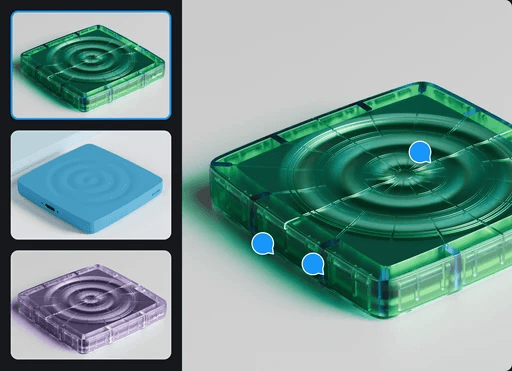
Rendering is more than a technical process; it’s a vital tool for communicating CMF and determining portfolio quality. However, high-quality rendering isn’t necessary at every stage. The key is to distinguish when rendering is required to enhance efficiency in the design process. In scenarios where rendering is optional, such as internal reviews, web-based tools like Surfee streamline real-time collaboration without unnecessary rendering efforts, speeding up the design process. Solutions like Surfee also facilitate quick CMF adjustments when needed, offering new possibilities for efficient teamwork.
For more insights on rendering tools, refer to the article below.